
Acreditation
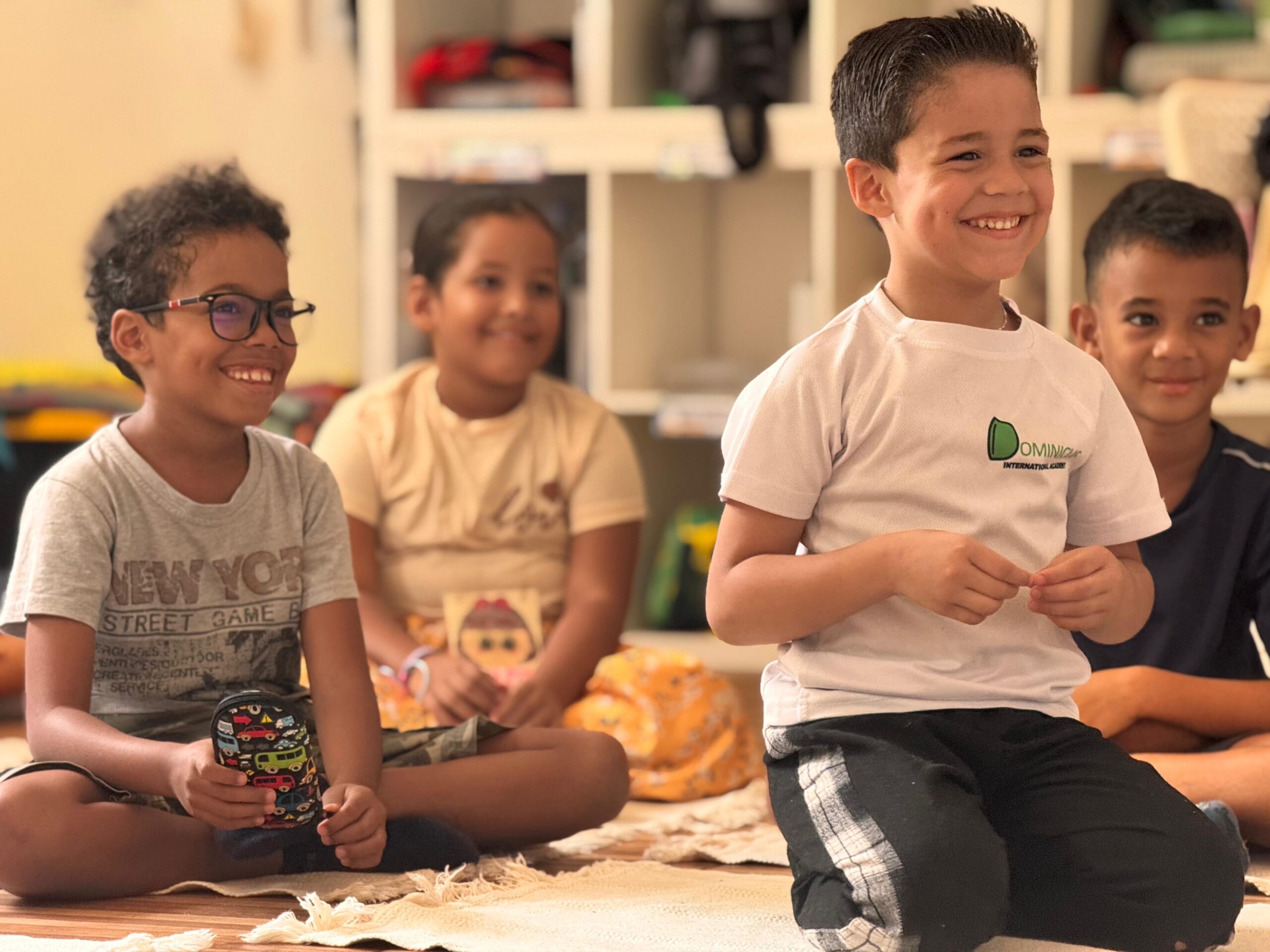
All of our students at Dominicus International Academy are officially enrolled through Highlands Prep in the United States. This ensures that every student receives an internationally recognized transcript and diploma, fully accepted by schools and universities both in the Dominican Republic and abroad. This partnership provides families with the peace of mind that their child's education follows a certified academic pathway, allowing for smooth transitions between countries, school systems, or future university applications. Additionally, as part of this accreditation, our students follow structured academic standards, receive documented grade reports in English, and have access to official records that meet international schooling requirements. Parents can feel confident knowing that while our approach to learning is innovative and student-centered, it is also backed by a formal and accredited academic framework recognized worldwide.
Project Based Learning
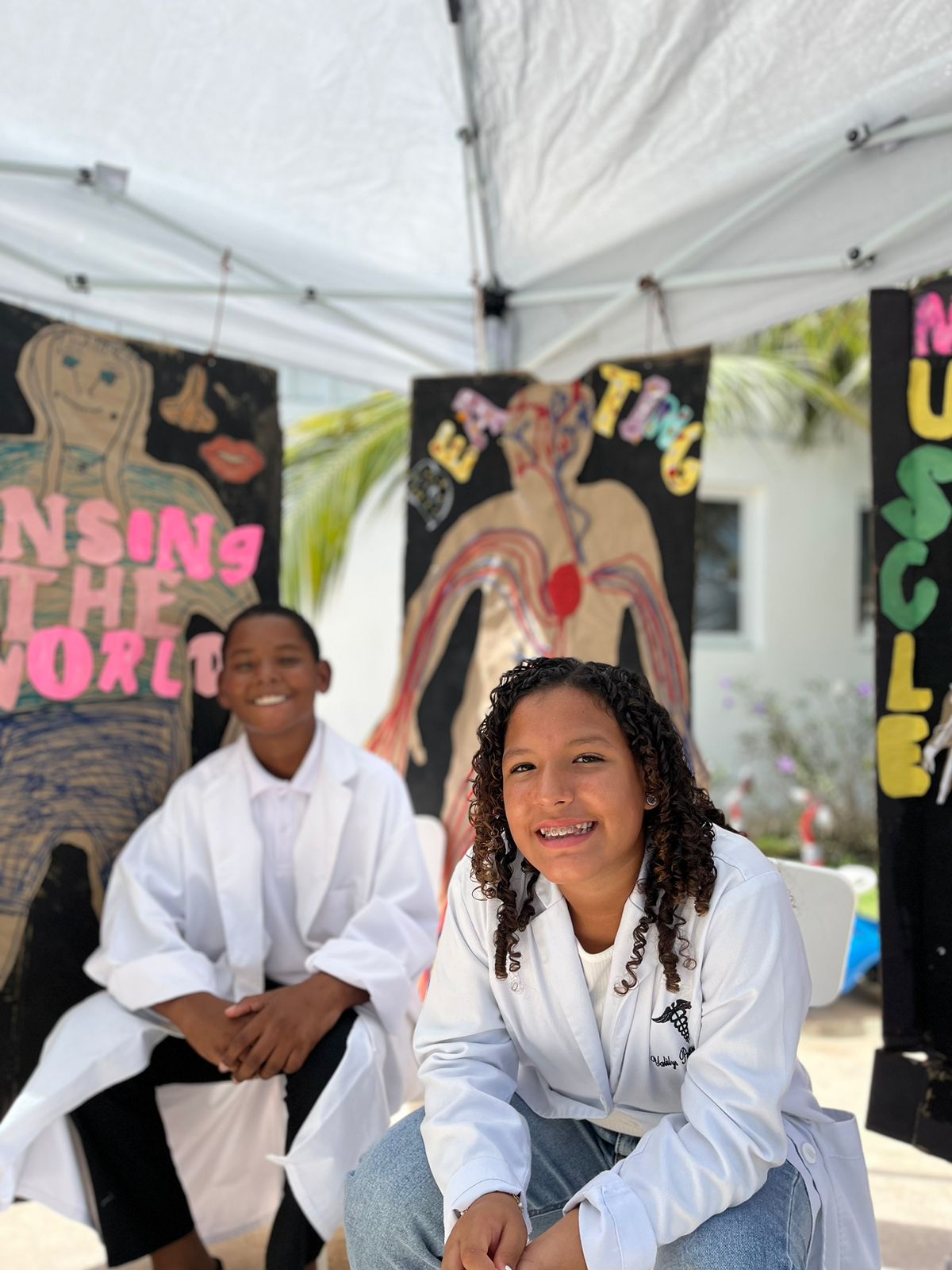
Project-Based Learning (PBL) is at the core of our educational approach, as it encourages students to think critically, collaborate meaningfully, and apply their knowledge to real-world situations. PBL goes beyond traditional instruction by allowing students to explore big ideas through hands-on projects that spark curiosity and creativity. It helps develop problem-solving skills, initiative, confidence, and a deep sense of purpose in learning.
Through PBL, students discover that their ideas matter. They engage in research, teamwork, presentations, and creative expression while learning to communicate their thoughts clearly and respectfully. Each project invites them to connect their personal strengths with meaningful challenges, making learning active, relevant, and joyful.
Montessori (preschool)
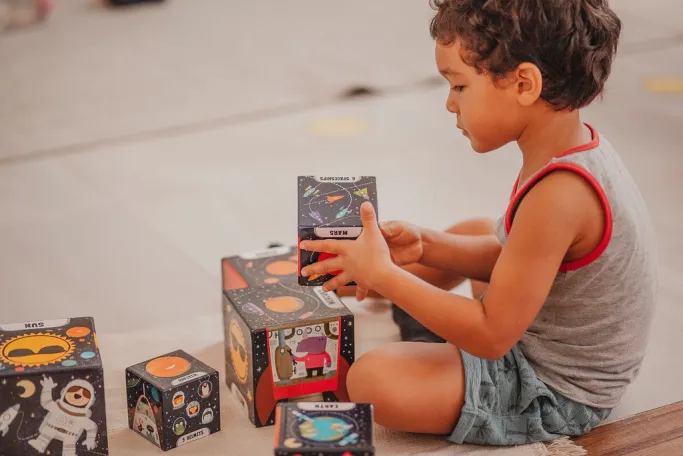
Although DIA is not a Montessori school, our preschool program is deeply inspired by Montessori and Reggio Emilia philosophies. We believe young children learn best through exploration, independence, and creativity.
With a strong focus on practical life skills, our classrooms invite children to participate in meaningful daily tasks, pouring, sorting, caring for their environment, and managing their own belongings. This hands-on approach nurtures curiosity, responsibility, and confidence while respecting each child's natural rhythm and individuality, allowing them to grow with joy and purpose.
Mindfulness
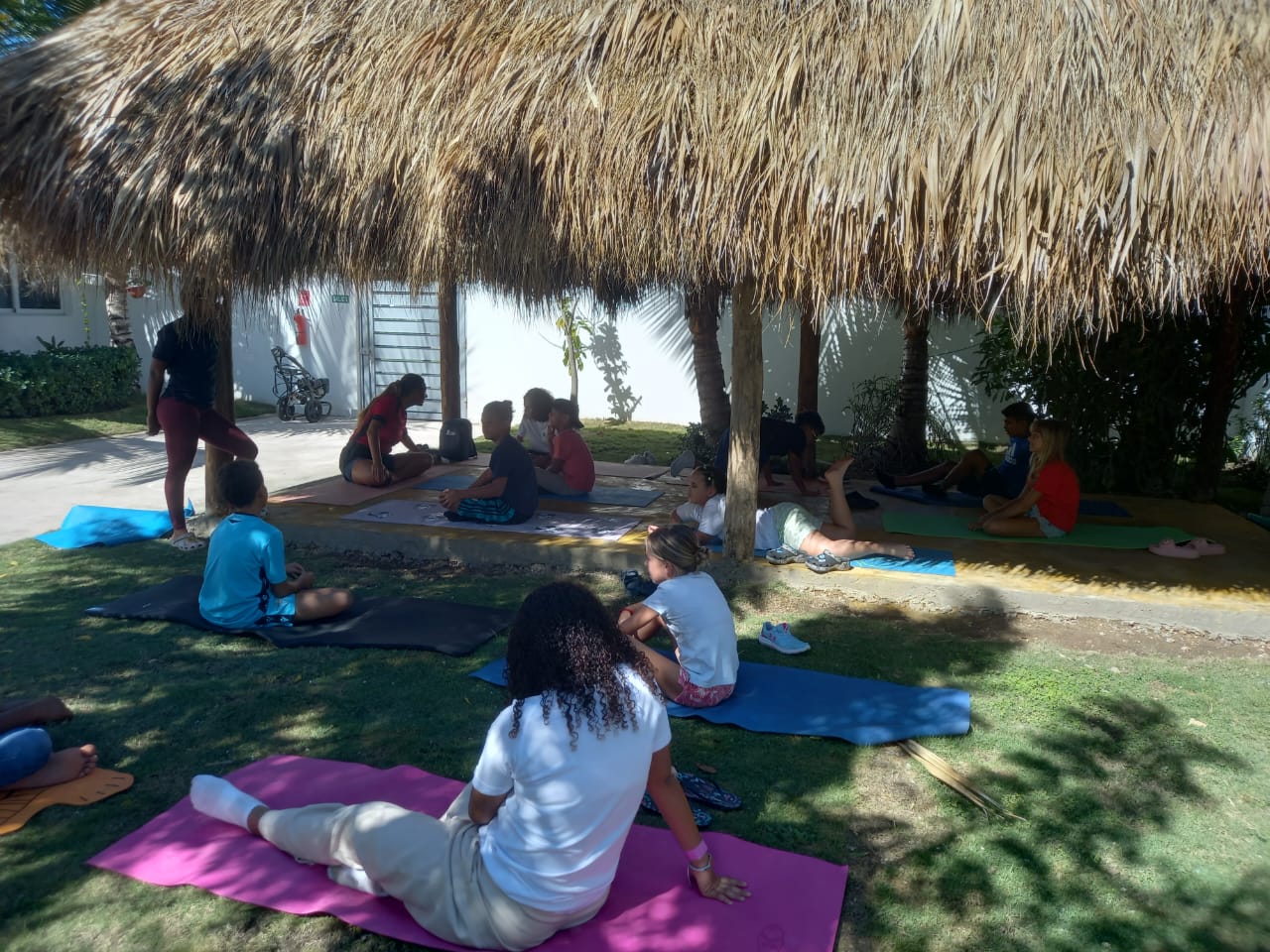
Mindfulness is the pillar of our curriculum. It is integrated across the day beginning with the teacher's own mindfulness practices. Our students start their day with a mindful activity, whether it is an informal mindfulness practice such as taking deep breaths, guided meditation or watering the garden. We allow the time to begin the day being present, aware, and without judgment. Throughout the day we engage in other activities such as mindful breathing, gardening, or relaxing in our mindful corner swinging on a swing or listening to music.

Technology
Students use technology to document their learning, create digital portfolios, conduct inquiries, collaborate on projects, and connect with real-world audiences. Our goal is for students to become responsible digital citizens, who know how to use technology thoughtfully, ethically, and creatively. Even with access to modern tools, we maintain a balance by protecting time for hands-on learning, nature exploration, face-to-face collaboration, and practical life experiences, which remain at the heart of our philosophy.
Sustainability and Permaculture
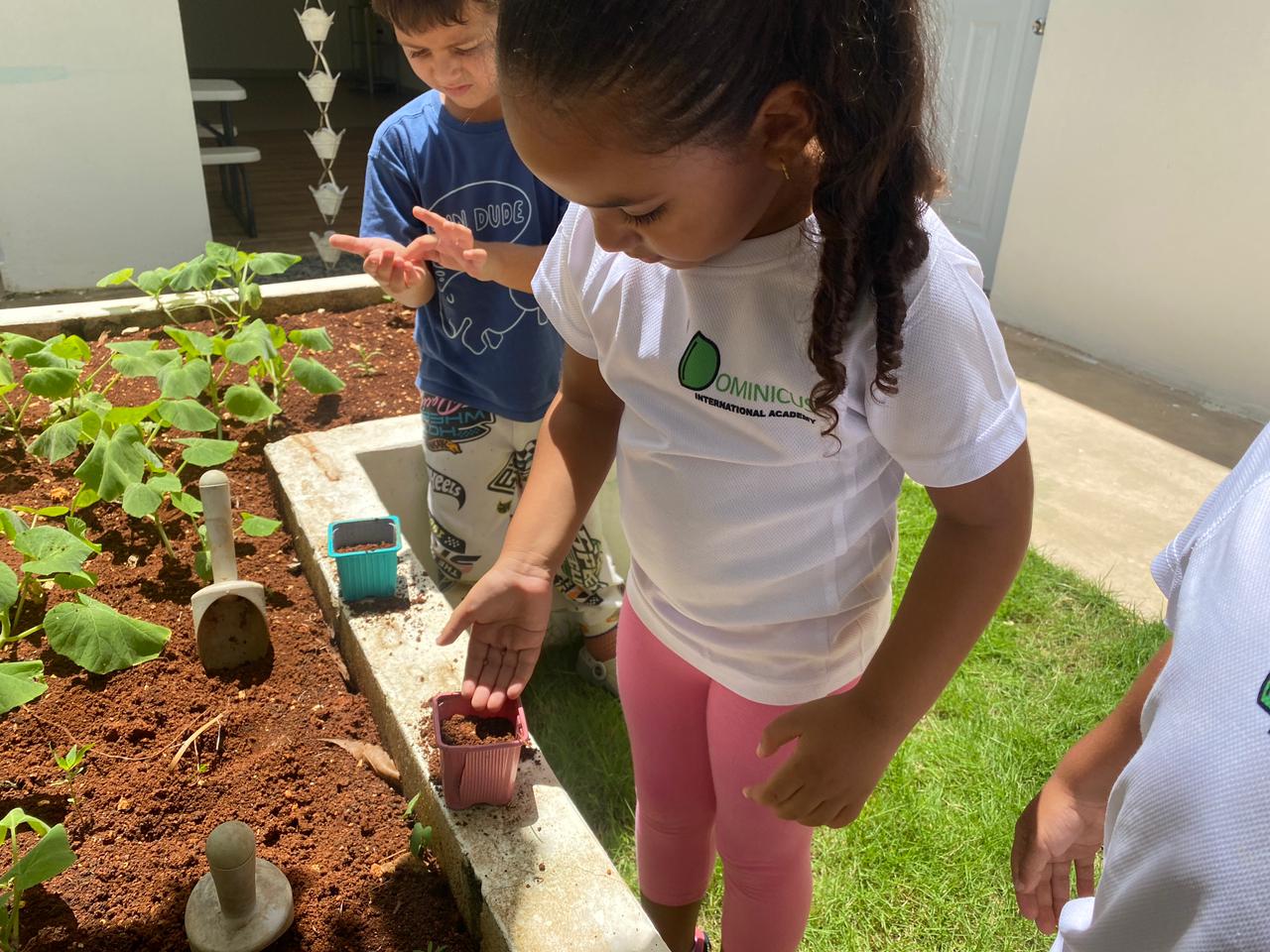
Sustainable practices are essential for the wellbeing of our planet. Through our permaculture-based approach, students learn to care for the environment in practical and meaningful ways. They engage in gardening, composting, recycling, and community outreach projects that teach responsibility, connection to nature, and respect for resources. By working with the land and observing natural systems, students begin to understand that sustainability is not just an activity, but a way of living with intention and care.